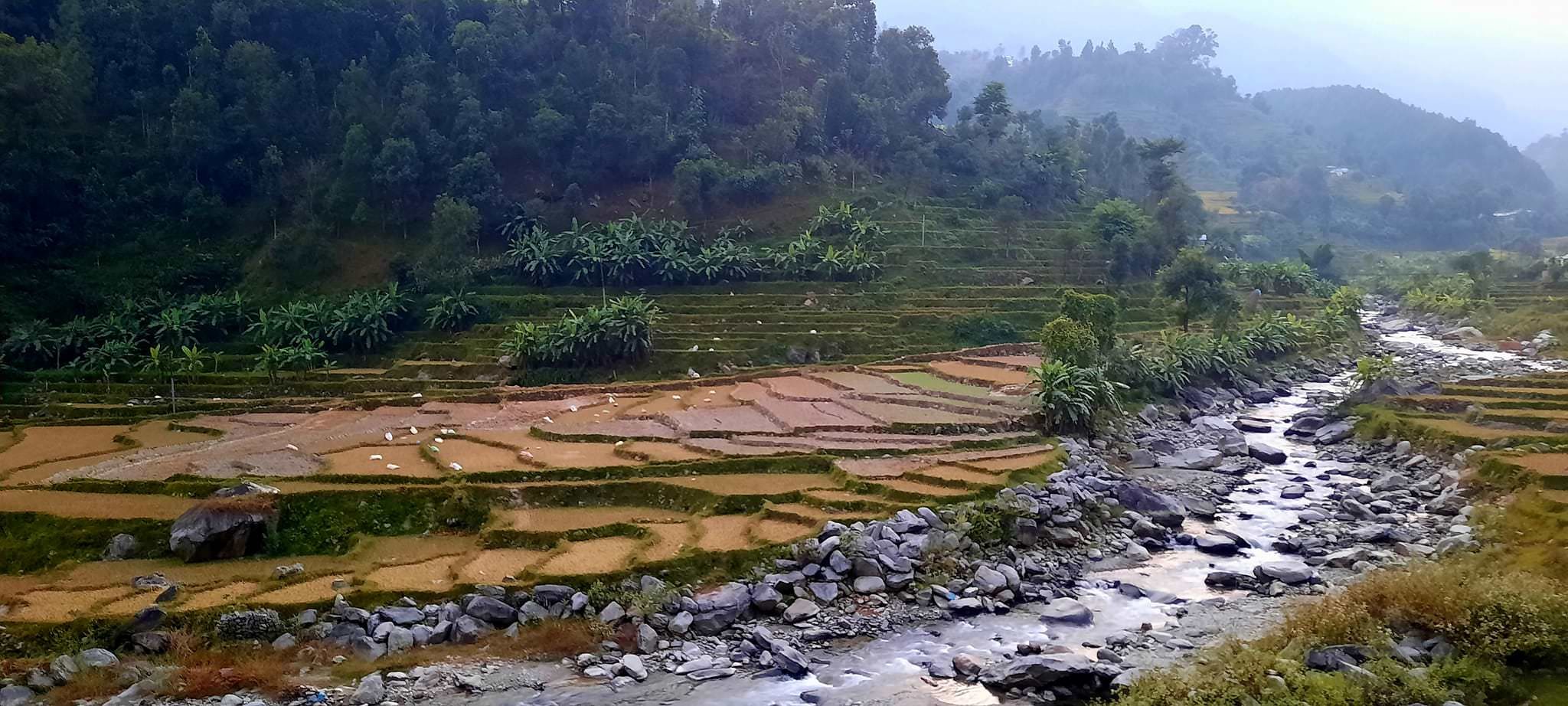
In late August, a sudden and devastating flood entered Nepal through the Bhote Koshi River in Rasuwa and surged downstream along the Trishuli River corridor, affecting communities in Nuwakot and beyond. Whole sections of riverbank were washed away. Homes were destroyed, livelihoods lost, and many families lost loved ones.
Our charity, First Steps Himalaya works very close to this area, just off the Bidur–Trishuli corridor, through our local partner First Steps Nepal. Our project schools are further up a different valley to the west, beyond one of the bridges that was destroyed, so they were not in the worst‑hit zone. As far as we know, our staff and school communities are safe, though some families may have been travelling or visiting in Trishuli and the surrounding area when the flood struck.
For anyone who has travelled with Beyond the Clouds, or who has dreamed of visiting Nepal, the images from Nuwakot can be unsettling. The important message from our team on the ground is clear: Nepal is open, and travel to the regions we visit is continuing. The disaster was highly localised, and the areas where our groups stay and walk are in different parts of Nepal.
But the disaster has brought home, more sharply than ever, why our long‑term work in Nepal matters.
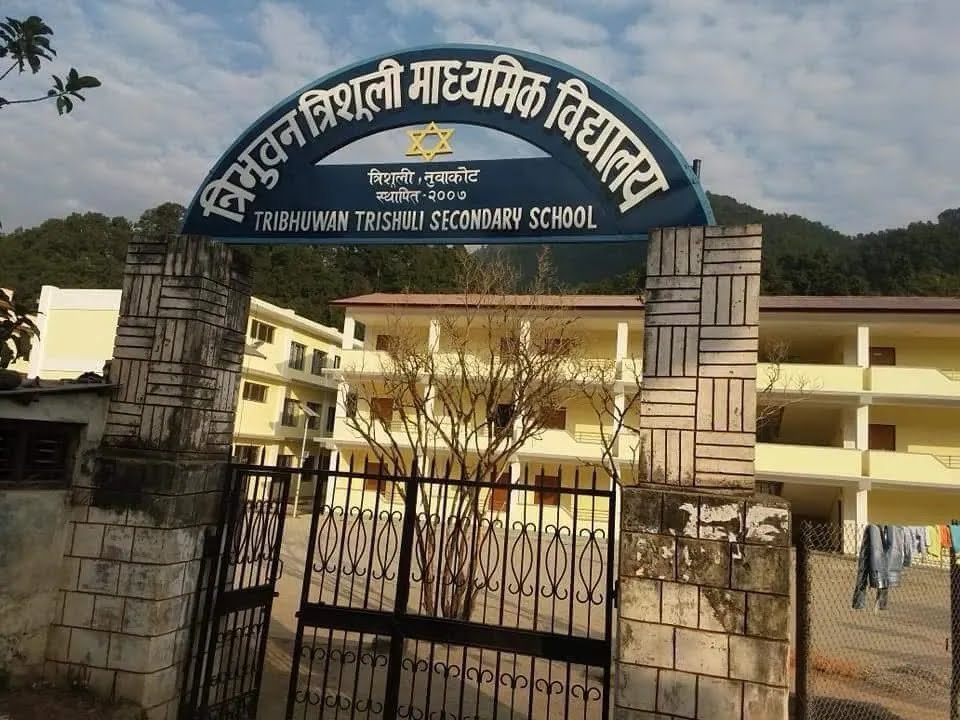
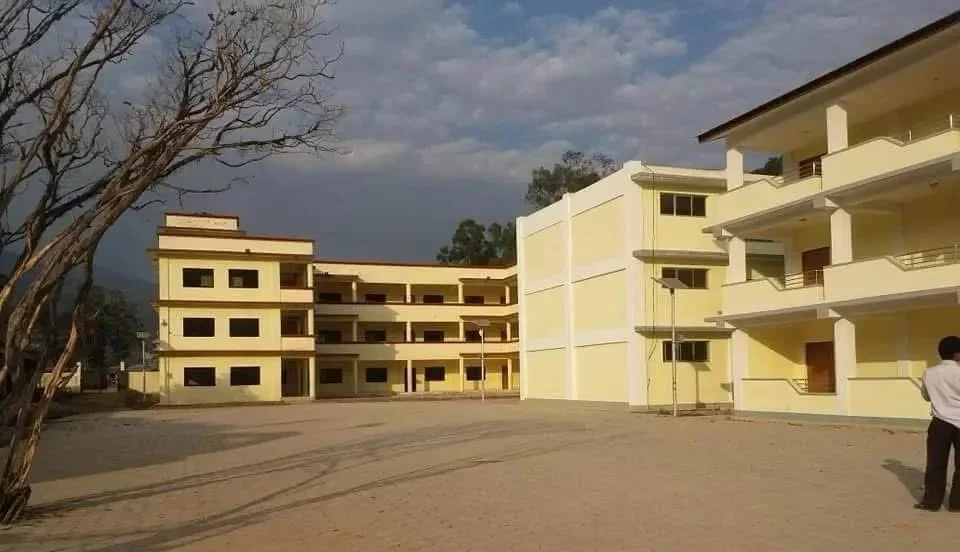
Last year, our Nepal team trained 75 Early Childhood Development teachers at Trishuli High School and provided menstrual hygiene training to 135 girls in Classes 11 and 12. Two of our Visit the Projects groups, from the UK and New Zealand, saw that training in action. No one could have imagined that, within a year, this same school would become known around the world for entirely different reasons.
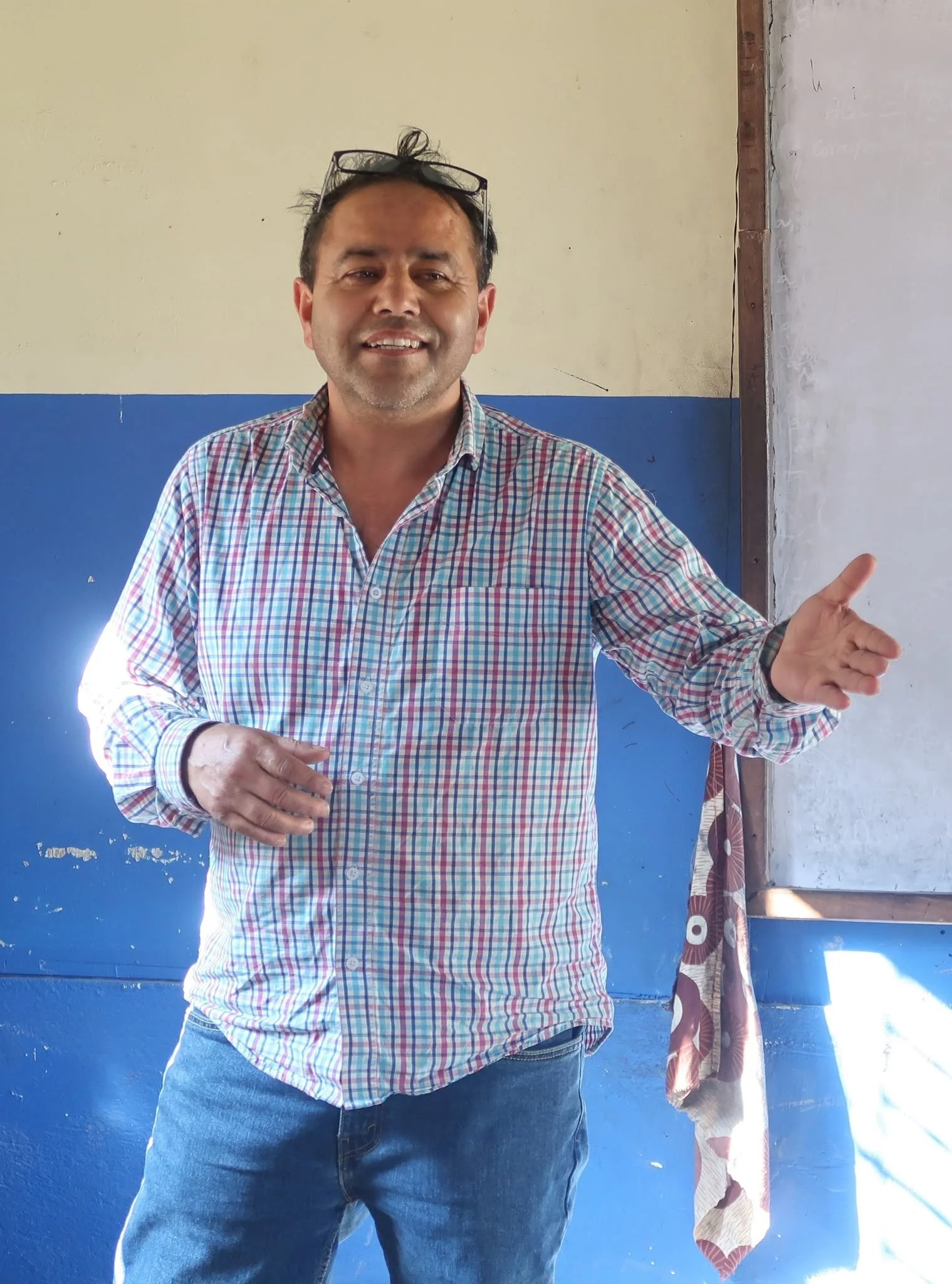
When the flood hit, the head teacher, Mr Rajendra Dawadi, at Trishuli High School acted quickly. He recognised the danger, gave clear instructions, and moved children and staff to higher ground. His decisions in those critical moments helped save lives. He talked with his colleagues and decided that missing one day of lessons was far less important than saving lives even if the warning proved cautious.
That kind of calm, informed leadership is exactly what can make the difference in a sudden disaster. It’s also what our long‑term work aims to strengthen: local people who know their communities, understand the risks, and feel confident to act.
This year’s Annual Appeal is inspired by what we’ve seen in Nuwakot, and we plan to focus our work in Nuwakot and Sindhupalchok in the coming year. Your gift will support First Steps Himalaya’s programmes across rural Nepal and the essential costs of keeping the charity running. That allows us to maintain our small team and partnerships on the ground, and direct support to the communities and programmes that need it most.
Your gift helps
This year’s appeal focuses on the skills, relationships and everyday support that help communities before, during and after an emergency.
Leadership training for teachers and community leaders, building the confidence and judgement to make clear, timely decisions in an emergency.
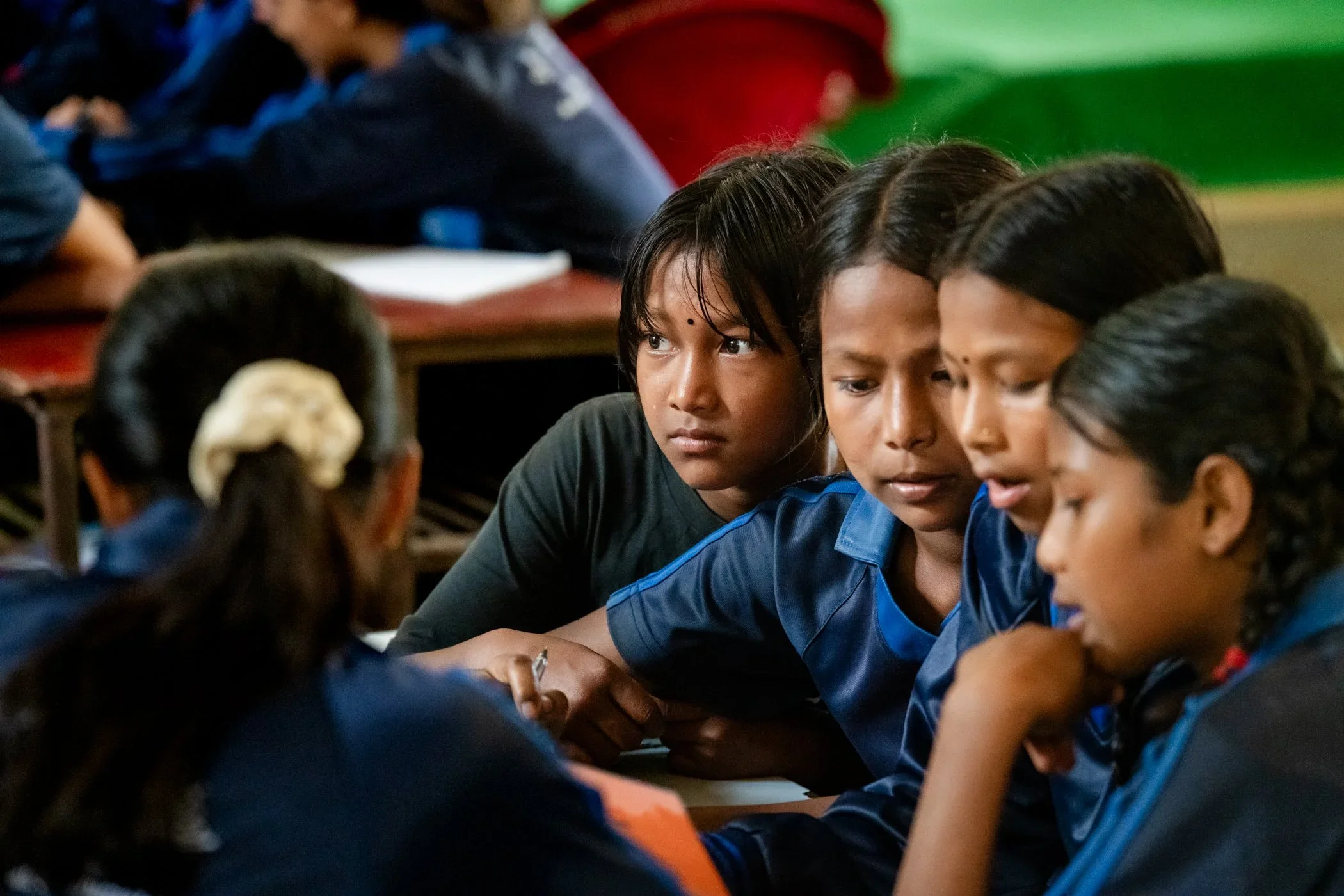
Safe Steps expansion, adding practical disaster‑readiness skills such as recognising danger, knowing evacuation routes, and helping younger children or older relatives move quickly and safely.
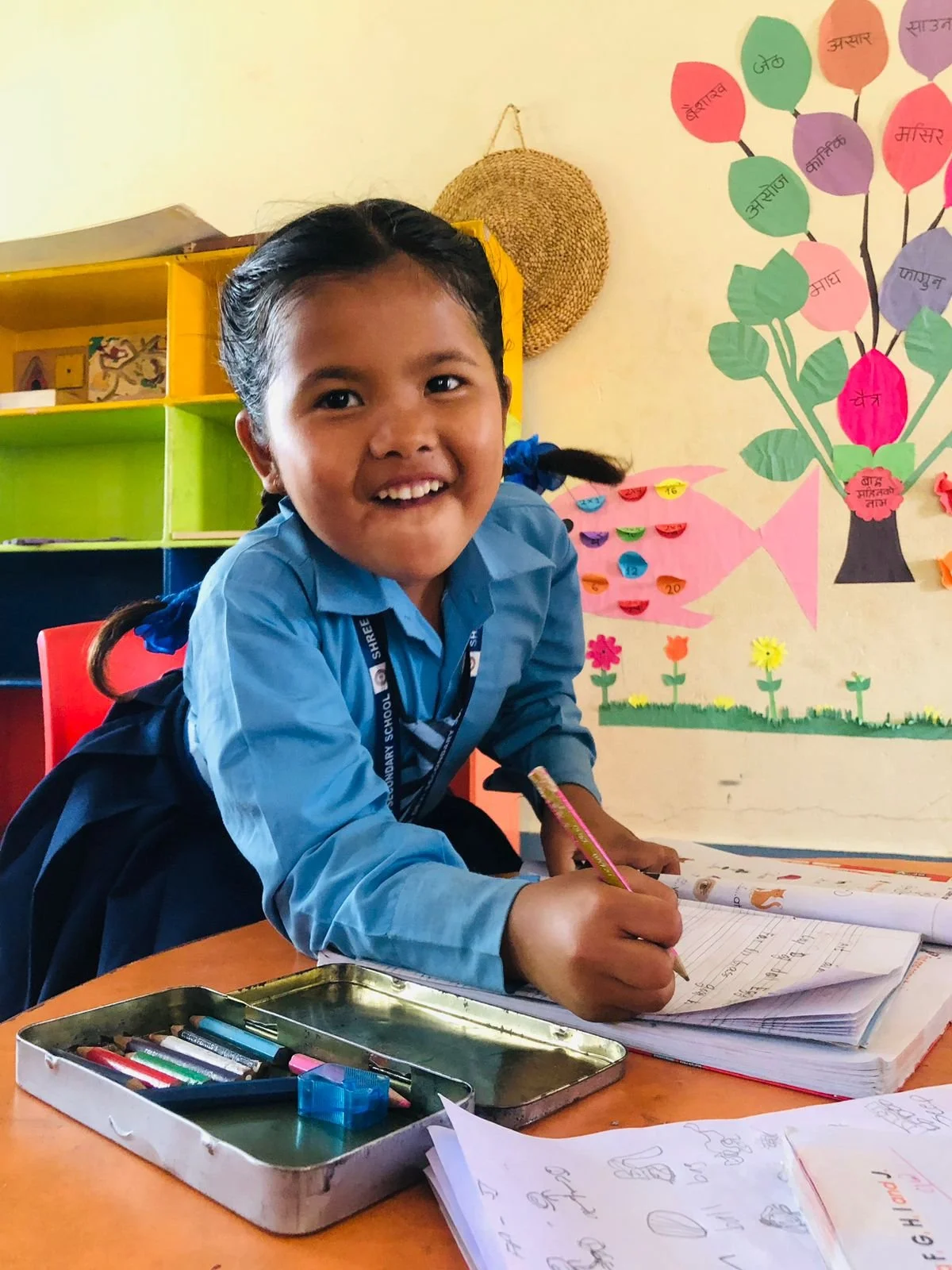
Teacher training and menstrual hygiene education, the vital everyday programmes that support children’s learning, health, dignity and wellbeing.
Essential running costs, helping us sustain our small team and trusted local partnerships so we can direct support where it is most needed.
The emergency response now under way in Nuwakot is being led, rightly, by the Nepal Police, Army and major aid organisations – and it is far beyond anything FSH could take on directly. Our role has always been different: we build relationships, we stay, and we help communities become better prepared for whatever comes next.
First Steps Himalaya has been working in Nuwakot since 2018, including in communities very close to the Bidur–Trishuli area, and has programmes in other rural districts of Nepal. Before this disaster, Nuwakot was a part of Nepal that had received relatively little attention from aid agencies.
Thanks to supporters like you, we’ve been able to build the relationships and local knowledge that let us respond to what communities actually need – not just this year, but for years to come.